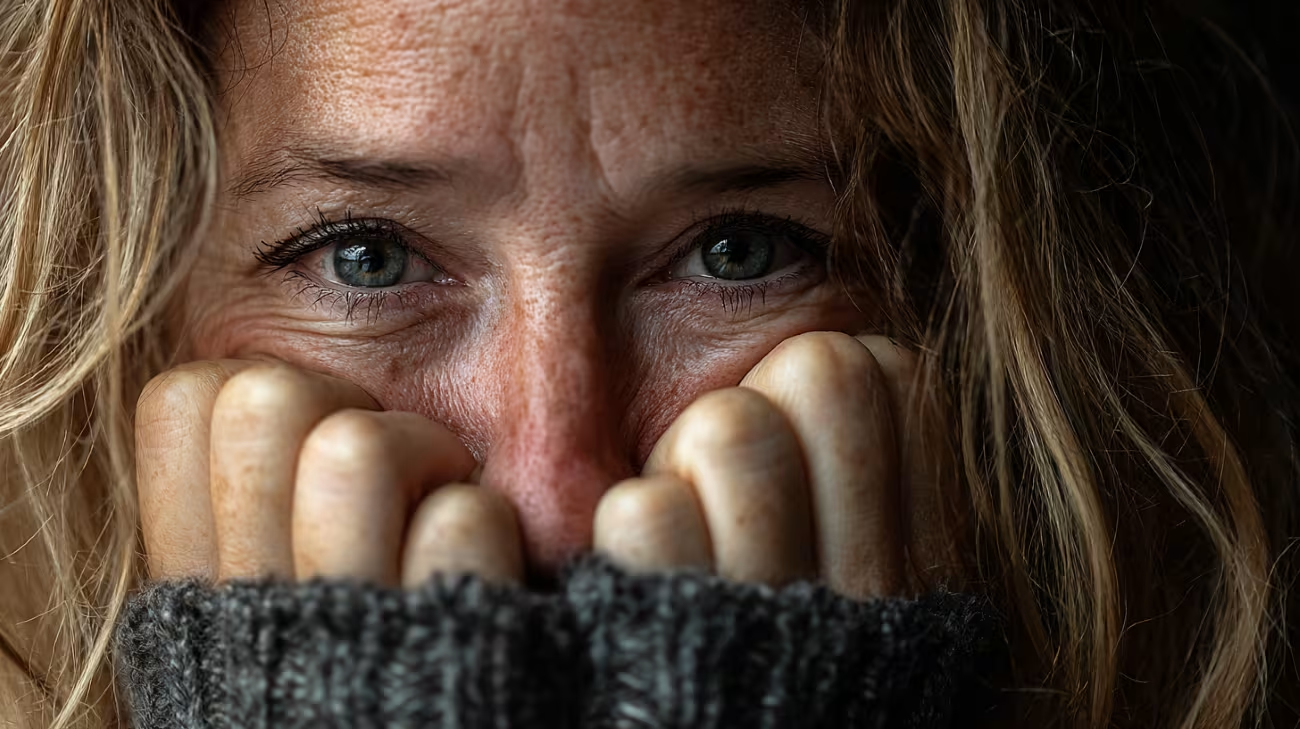
You've been "pushing through" your entire life. Through cramps. Through exhaustion. Through caring for everyone else while neglecting yourself. Through symptoms your doctor dismissed as "just stress."
Now you're in perimenopause, and your body is sending you a clear message: pushing through doesn't work anymore.
The Cost of Being "Strong"
As women we've been conditioned to sacrifice, to put everyone else first, to never complain, to handle it all with grace.
This conditioning is literally making you sick.
Research shows that chronic stress and refusing to prioritize self-care during perimenopause increases your risk for cardiovascular disease, type 2 diabetes, depression, cognitive decline, and weakened immune function.
You cannot "be strong" your way through a biological transition that requires rest, support, and intentional care.
Why Your Body Won't Let You Push Through
Perimenopause is a complete hormonal recalibration affecting every system in your body:
- Your energy regulation changes --declining hormones affect how your body produces and uses energy
- Your stress response amplifies --fluctuating estrogen makes you more reactive to stressors
- Your sleep architecture shifts --hormonal changes disrupt the deep sleep your body needs
- Your emotional regulation is different--hormones directly influence mood-regulating neurotransmitters
Your symptoms are signals that you need to slow down and care for yourself differently.
What Self-Care Actually Means
Self-care isn't bubble baths and face masks. Self-care during perimenopause is the intentional protection of your physical and mental health so you can function and thrive.
Self-care is:
- Getting 7-9 hours of sleep even when it means saying no
- Eating regular, nourishing meals instead of surviving on coffee
- Moving your body in ways that feel good, not punishing
- Setting boundaries with people who drain your energy
- Seeking medical care and refusing dismissive providers
- Taking time alone to rest and recharge
- Asking for help instead of doing everything yourself
This isn't selfish. This is survival.
7 Practical Self-Care Strategies
1. Protect Your Sleep
- Set a consistent bedtime (even weekends)
- Keep your bedroom cool (60-67°F)
- Invest in moisture-wicking sheets for night sweats
- Turn off screens 1 hour before bed
- Seek medical help if waking 2-3+ times nightly
2. Fuel Your Body Intentionally
- Eat more protein (25-30g per meal) for muscle mass and blood sugar stability
- Increase fiber, calcium, vitamin D, and omega-3s
- Prep protein-rich snacks for busy days
- Stay hydrated, dehydration worsens fatigue and brain fog
- Minimize excessive caffeine, alcohol, and ultra-processed foods
3. Move With Compassion
- Strength training (2-3x/week) for bone density and metabolism
- Walking for stress reduction and better sleep
- Yoga or tai chi for flexibility and stress management
- Listen to your body — some days need vigorous movement, other days gentle stretching
4. Set Boundaries Without Guilt
Practice saying:
- "I can't take that on right now"
- "I need to rest tonight"
- "That doesn't work for me"
Start small:
- Decline one obligation this week
- Turn off your phone for one hour daily
- Take a 15-minute work break
- Ask family to handle dinner one night
5. Manage Stress Actively
- Deep breathing (4-7-8: inhale 4, hold 7, exhale 8)
- Progressive muscle relaxation
- Mindfulness meditation (even 5-10 minutes daily)
- Journaling to process emotions
- Time in nature to reduce cortisol
Seek professional help for persistent anxiety, depression, or panic attacks.
6. Build Your Support System
You need:
- A menopause-literate healthcare provider
- Friends or family who understand
- A support group with other perimenopausal women
- A therapist if struggling emotionally
- A community that validates your experience
For women of color: Seek providers who understand the intersection of race, culture, and menopause.
7. Advocate for Medical Care
You deserve:
- Thorough evaluation of symptoms
- Discussion of ALL treatment options
- Respectful, unhurried appointments
- Answers to your questions
Red flags to find a new provider:
- Dismissing symptoms as "just stress"
- Refusing to discuss hormone therapy without valid reasons
- Making you feel rushed or dismissed
- Not listening to concerns
When Self-Care Feels Impossible
"I don't have time/money/energy/support."
I hear you. You may not be able to do everything on this list. But you can do something.
Start with the smallest possible step:
- 5 minutes of deep breathing before bed
- One glass of water when you wake
- Declining one obligation this week
- A 10-minute walk
- Asking for help with one task
Small, consistent actions compound over time.
Redefining Strength
For too long, strength has meant enduring silently and sacrificing endlessly.
Here's a new definition:
- Strength is recognizing when your body needs rest and actually resting
- Strength is setting boundaries even when people are disappointed
- Strength is asking for help instead of collapsing under the weight
- Strength is prioritizing your health even when it feels "selfish"
- Strength is saying "I matter too"
Your Permission Slip
You are allowed to:
- Put your health first
- Say no
- Rest without guilt
- Ask for help
- Demand better healthcare
- Protect your peace
- Choose yourself
You are not required to:
- Push through suffering
- Sacrifice your health for others
- Stay silent about your needs
- Accept inadequate care
- Prove you're "strong" by enduring
The Bottom Line
Perimenopause is not a personal failing or weakness. It's a biological transition that requires intentional care, rest, and support.
The "just push through" approach doesn't work because it was never supposed to work. Your body is demanding that you finally prioritize yourself --not as a luxury, but as a necessity.
Self-care during perimenopause isn't selfish. It's how you protect your health, your relationships, your career, and your future.
You cannot pour from an empty cup. You cannot care for others if you're depleted. You cannot thrive if you're merely surviving.
You deserve more than survival. You deserve to thrive.
The Peri Nation is here to support you with culturally relevant education, community, and resources. You're not alone in this journey. Your health matters. Your wellbeing matters. You matter.
Remember: This is your one body. This is your one life. Protecting it isn't selfish, it's essential.